When is it a normal process, and when does it need medical evaluation?
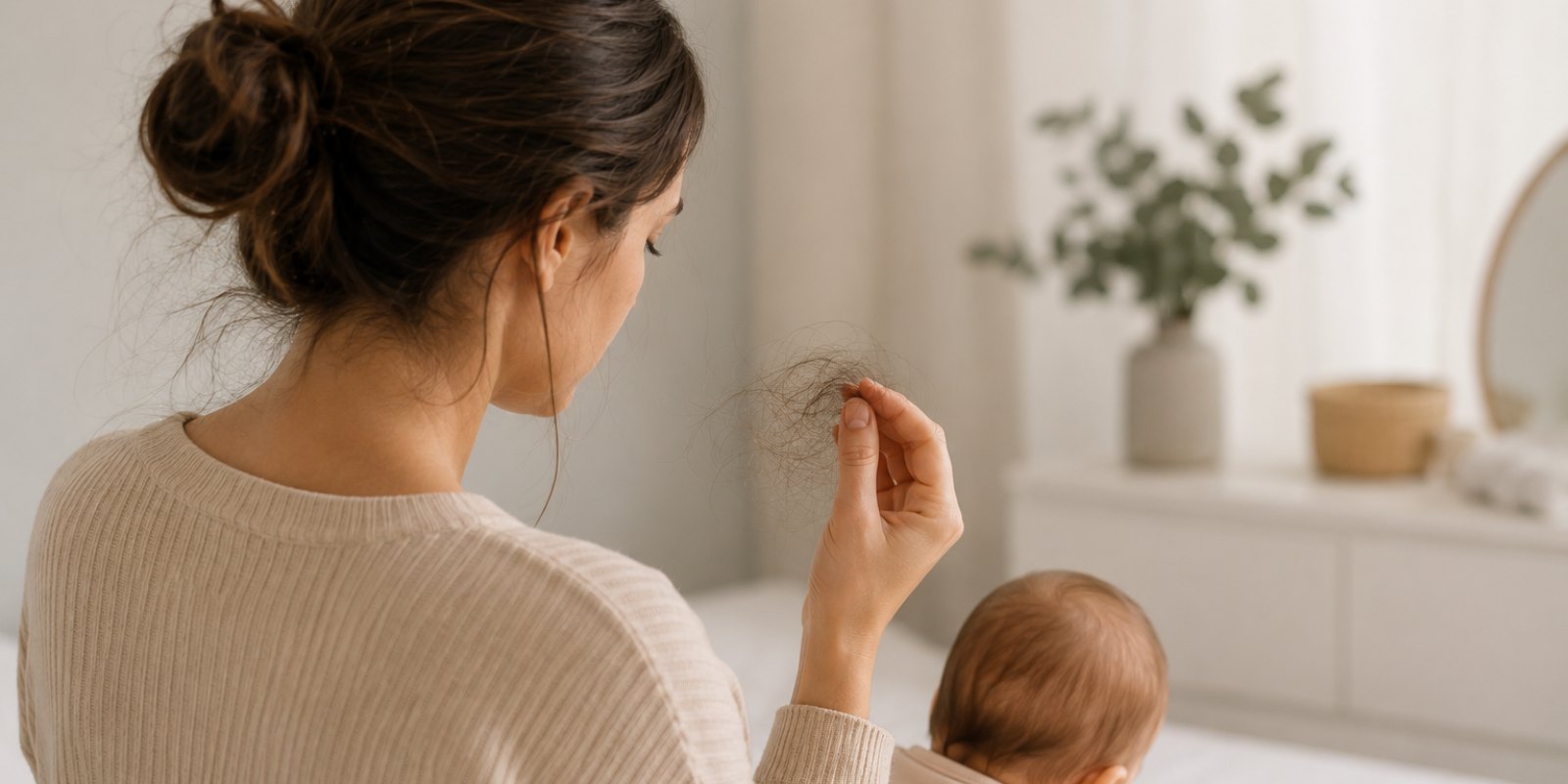
Pentru multe femei, the postpartum period is accompanied by an unexpected and often worrying change: noticeable hair loss. Strands accumulating on the brush, on the pillow, or during washing can create the impression of a significant loss of hair density. Although this phenomenon is common and, in most cases, temporary, there are situations where it can hide other causes requiring further investigation.
Why does hair loss occur after childbirth?
În timpul sarcinii, elevated estrogen levels prolong the growth phase of the hair strand, so more strands remain simultaneously in the anagen phase. This is why many women notice thicker, shinier hair during pregnancy. After childbirth, as estrogen levels drop suddenly, a large number of follicles enter simultaneously into faza de repaus, followed by hair shedding. This phenomenon is called postpartum telogen effluvium and represents a physiological response of the body to hormonal changes.
When does it start and how long does it last?
Hair loss usually occurs two to four months after childbirth and can become more intense over the following months. In most cases, the process gradually stabilizes, and hair density begins to recover within six to twelve months. Full recovery may take longer for some women, depending on factors such as diet, stress levels, breastfeeding, or any nutritional deficiencies.
When is medical evaluation recommended?
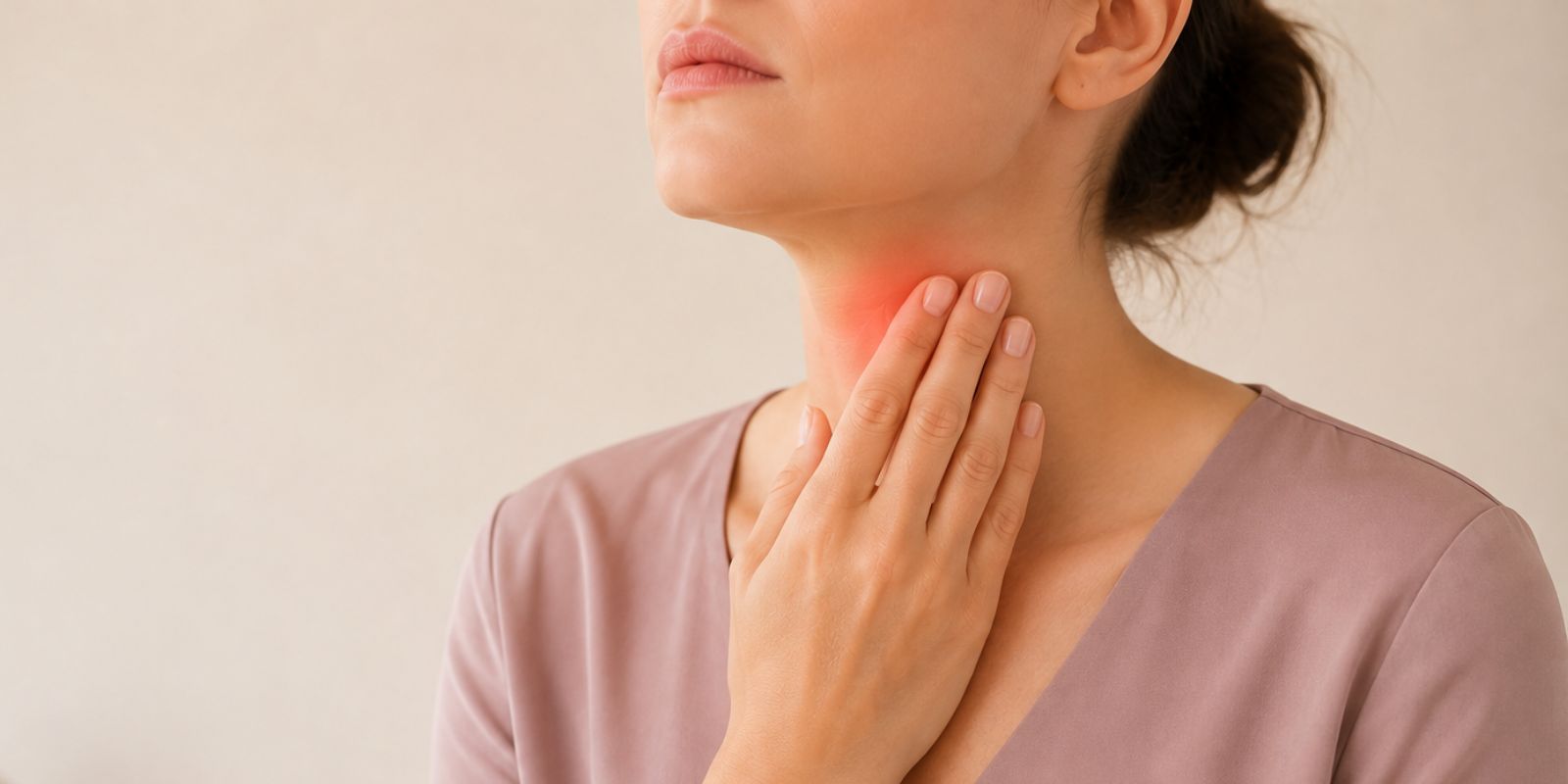
Although efluviul telogen postpartum este considerat normal, there are situations where a medical evaluation is recommended. Hair loss persisting for more than a year after childbirth, noticeable thinning of hair in certain areas, a history of androgenetic alopecia, or the presence of associated symptoms such as marked fatigue may indicate the existence of cauze suplimentare. Iron deficiency, vitamin D deficiency, thyroid conditions, or other metabolic imbalances can contribute to worsening hair loss.
Are there treatments that can speed up recovery?
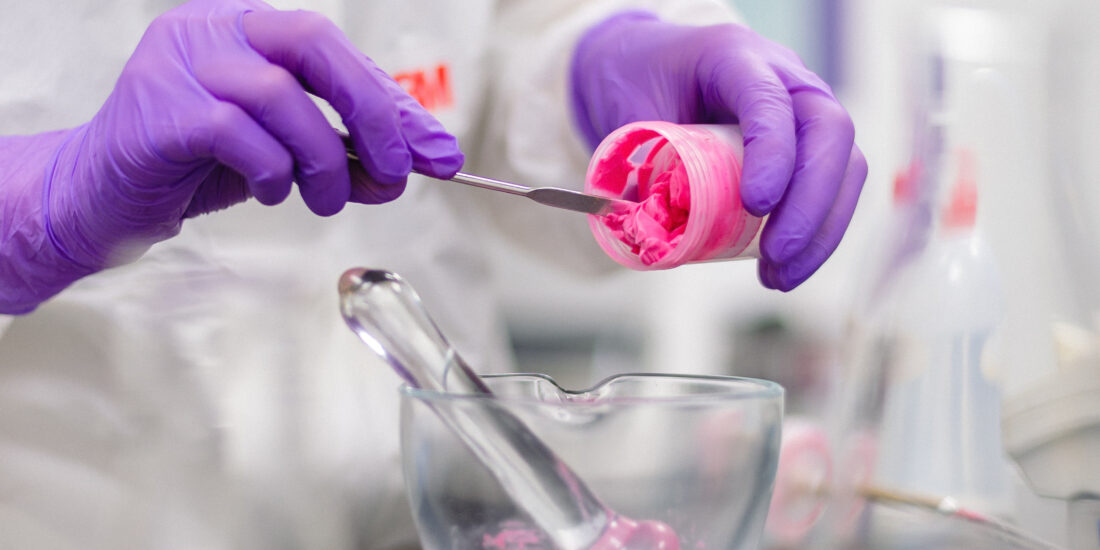
Treatment depends on the cause and severity of symptoms. First, it is important to correct any nutritional deficiencies and maintain a balanced diet. In certain situations, the doctor may recommend Topical treatments to stimulate follicular activity. These may include active substances used for supporting the hair growth cycle and reducing the resting period of the follicles. Compounded preparations can be a useful option because they allow adaptarea formulei according to the particularities of each patient. The concentrations, combination of active substances, and pharmaceutical form can be personalizate according to the postpartum period, scalp sensitivity, or the patient's medical history.