Hormonal Acne in Women
- a common problem after age 25 -
Acne is often associated with adolescence, but a growing number of women experience the onset or recurrence of acne lesions after age 25. For many patients, the situation is frustrating because the condition appears at a stage in life when they expected to have permanently moved past this issue. In addition, adult acne often responds differently to classic treatments used during adolescence, requiring a personalized approach.
What is hormonal acne?
Hormonal acne is a form of acne influenced by the activity of androgen hormones on the sebaceous glands. These hormones stimulate sebum production, promoting pore obstruction and the development of local inflammation. Although androgens are considered male hormones, they are also present in women at physiological levels and play an important role in numerous biological processes.
Changes in hormonal balance can increase sebaceous gland activity even in the absence of abnormal hormone levels on lab tests. For this reason, many patients with hormonal acne have normal endocrine test results.
How do we recognize hormonal acne?
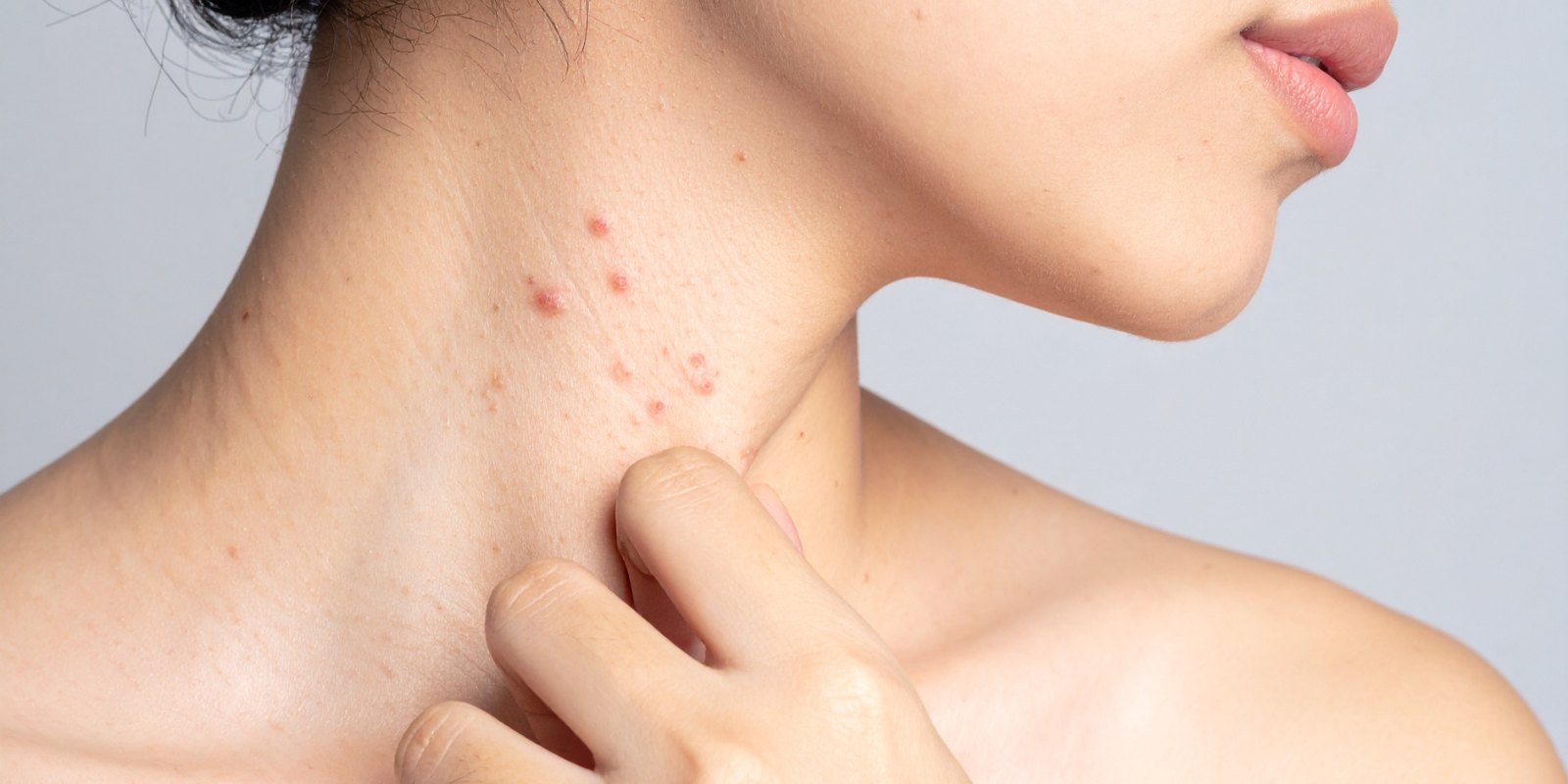
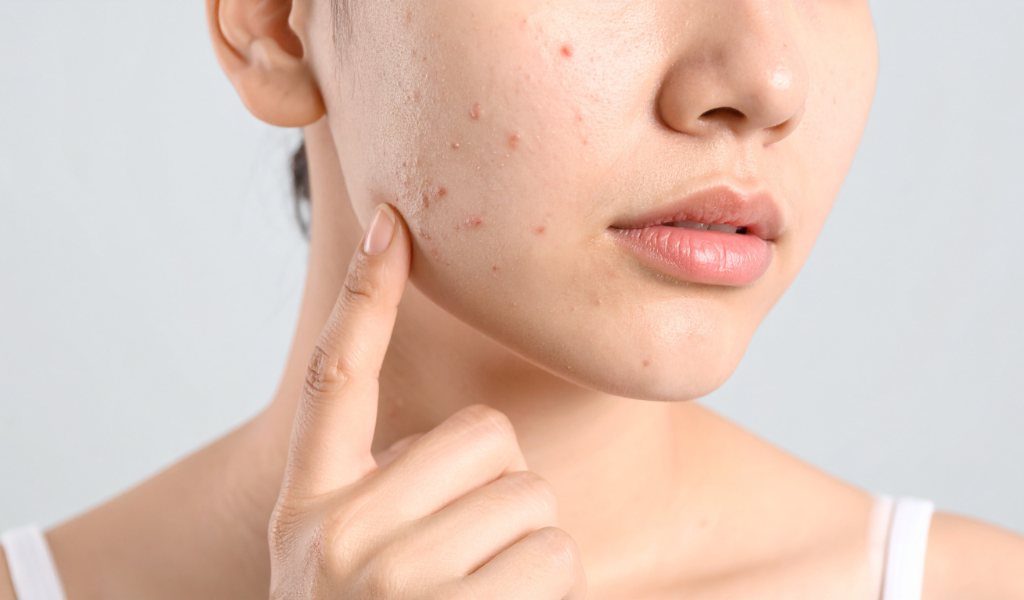
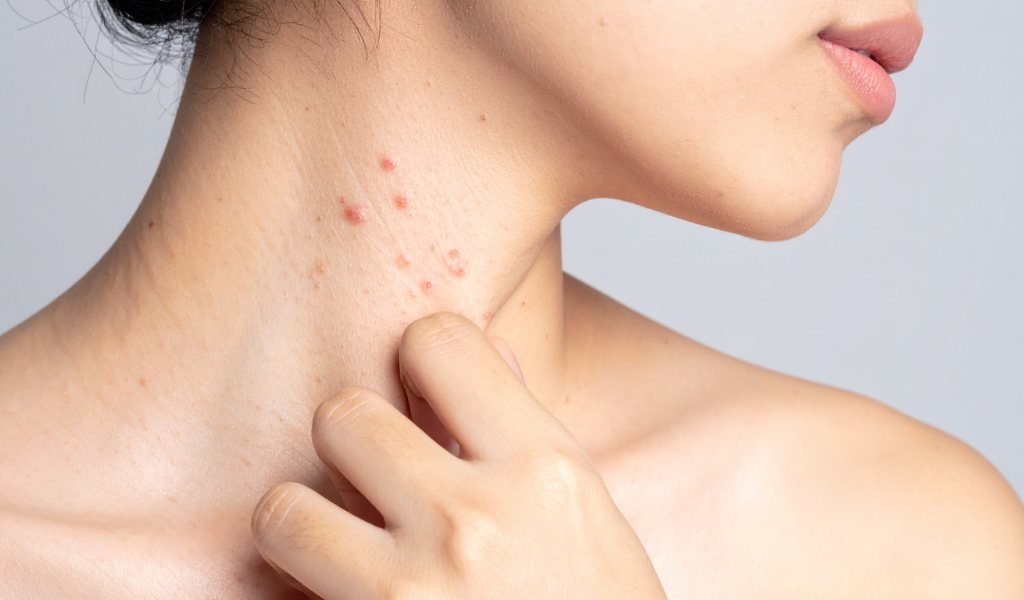
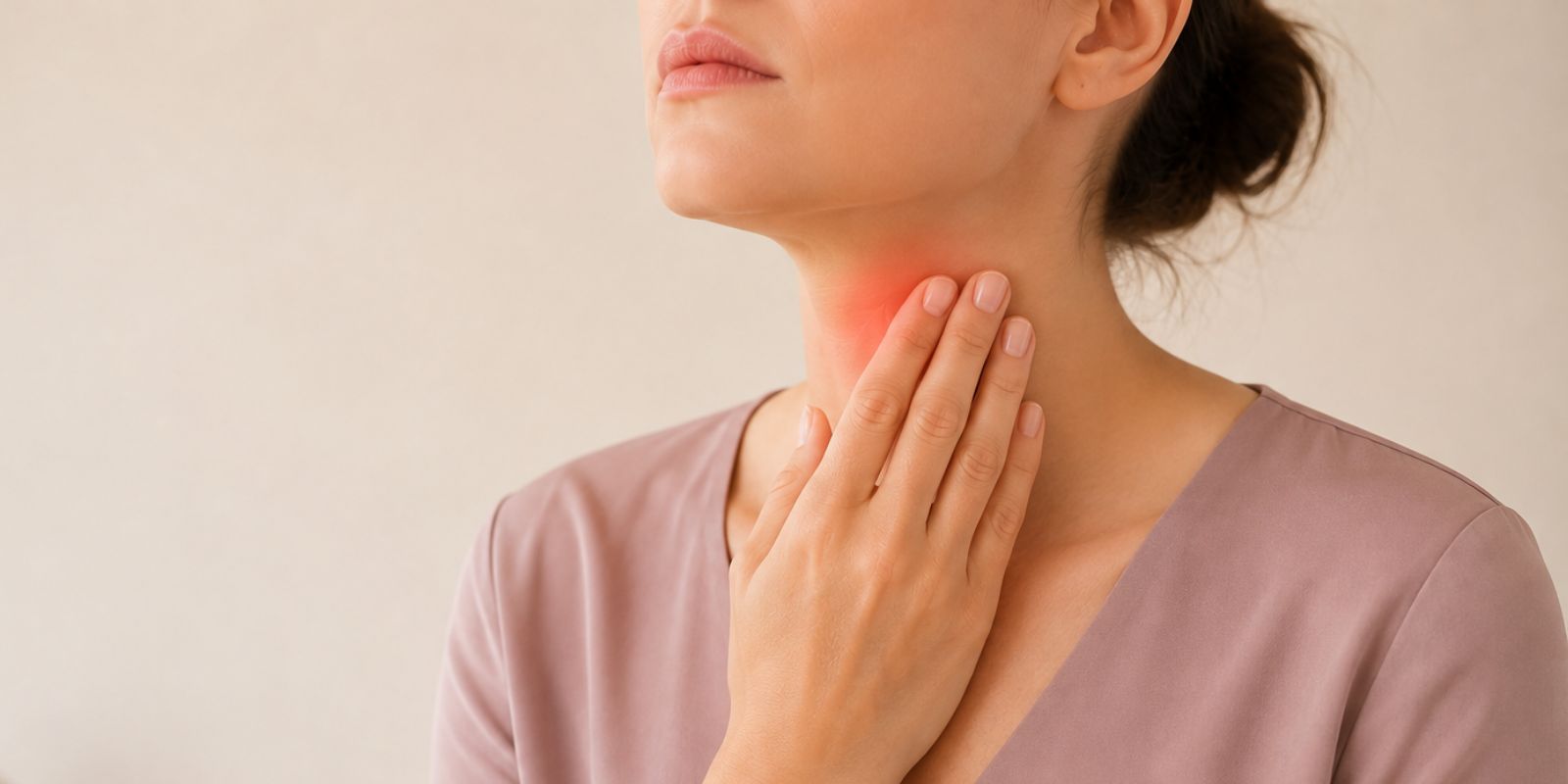
Unlike adolescent acne, which frequently affects the forehead and T-zone, hormonal acne appears predominantly on the jawline, chin, and neck. Leziunile sunt adesea inflamatorii, profunde și dureroase, iar erupțiile tind să se accentueze în perioada premenstruală.
Multe paciente observă că afecțiunea evoluează în cicluri, cu perioade de ameliorare și agravare corelate cu modificările hormonale lunare.
Care sunt cauzele cele mai frecvente?
Hormonal acne can have multiple causes. Sindromul ovarelor polichistice is one of the best-known associated situations, but it is not the only one. Chronic stress, sleep disorders, genetic predisposition, the use of certain contraceptives, or discontinuing them can contribute to the onset of symptoms.
Perimenopauza is another period during which hormonal changes can promote the onset of acne lesions, even in patients who have not had similar problems before.
Why don't classic treatments always work?
Many patients use produse cosmetice agresive or treatments intended for teenagers, which can worsen irritation without controlling the underlying hormonal mechanism. In adult acne, simply reducing skin bacteria is not always sufficient.
Tratamentul must take into account excessive sebum production, local inflammation, and individual skin sensitivity.
What treatment options exist?
The therapeutic approach varies depending on the severity of the condition. In mild and moderate forms, topical retinoids, azelaic acid, benzoyl peroxide, or local antibiotics are frequently used. In certain cases, it may be necessary to combine terapii sistemice recomandate de medicul dermatolog.
In recent years, interest has grown in substances that act on the hormonal component of acne. Clascoterone, the first topical antiandrogen approved for treating acne, is an example of a modern approach that acts directly on androgen receptors in the skin.
The role of compounded preparations in hormonal acne
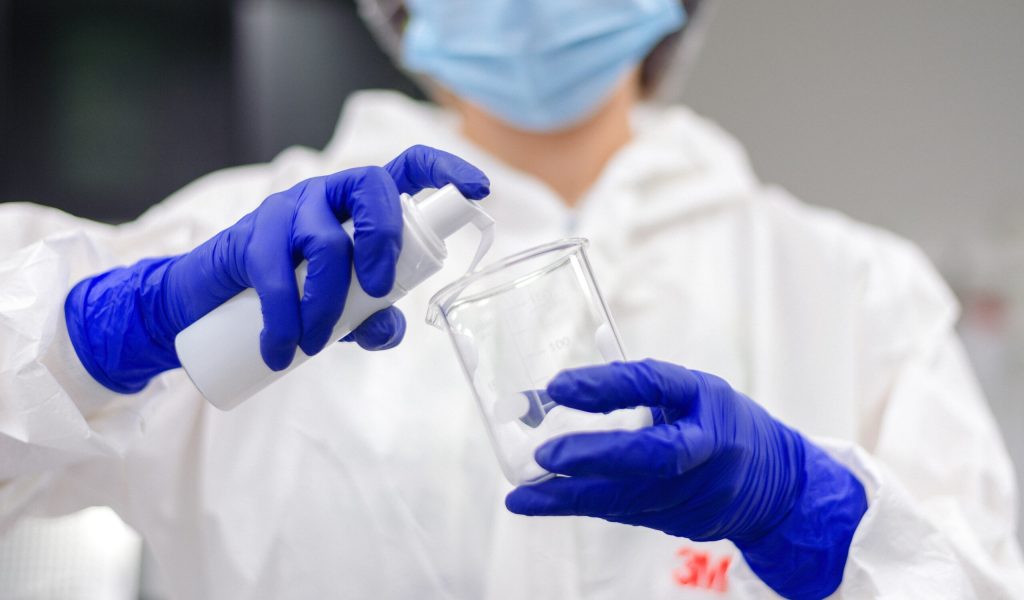
Not all patients respond to standard formulas available on the market. In certain situations, the doctor may consider it useful to use Personalized medicine which allow concentrations to be adjusted and several active substances to be combined in a single formula.
Compounded preparations can facilitate combining ingredients such as adapalene, azelaic acid, clascoterone, or other substances frequently used in dermatology, adapting the treatment to the particularities of each patient.
When is a dermatological consultation recommended?
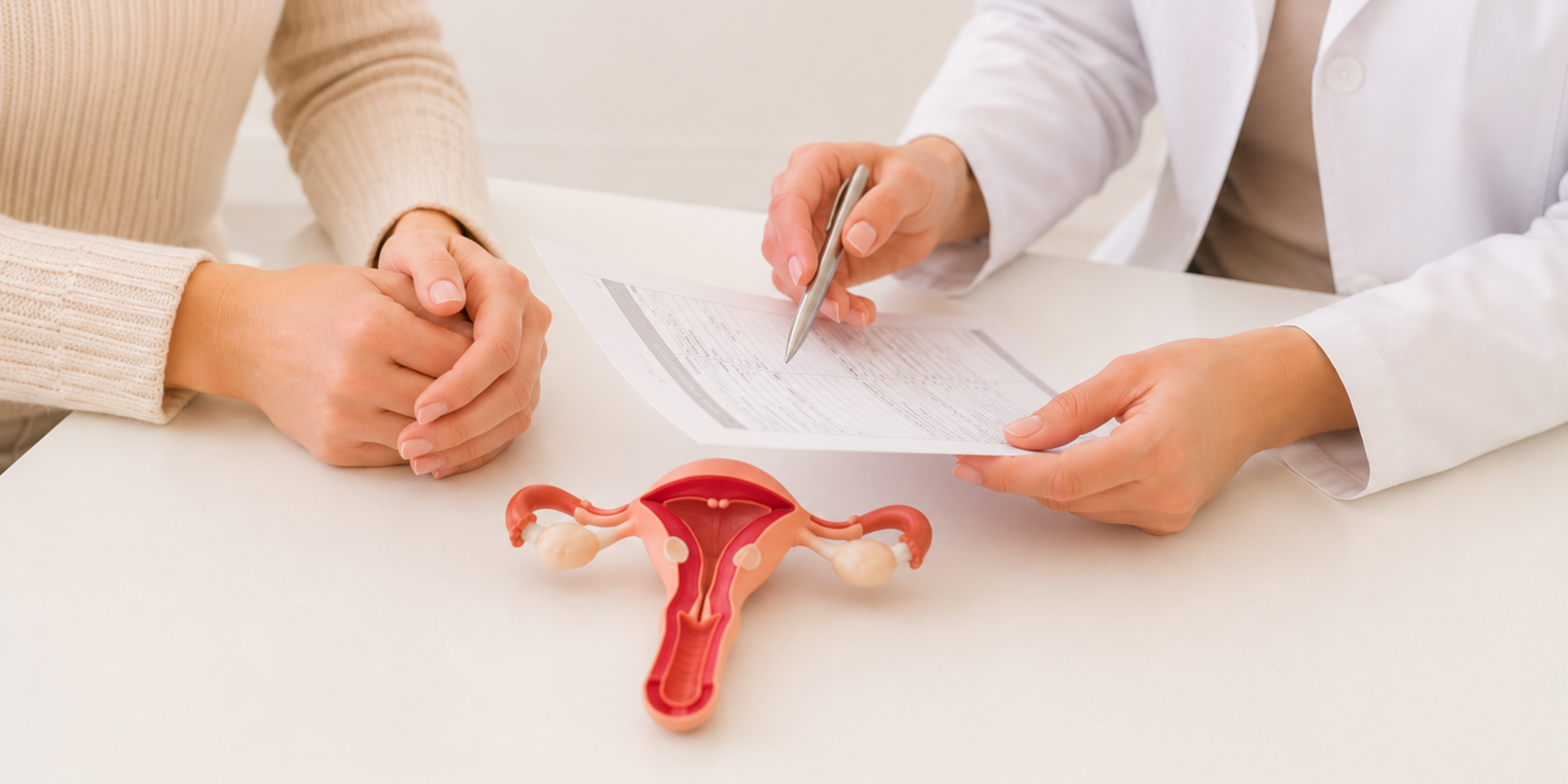
The persistence of lesions after age 25, the appearance of scars, progressive worsening, or the association of other hormonal symptoms such as menstrual disorders, hirsutism, or hair loss are reasons for a dermatological and, sometimes, endocrinological evaluation.
Identifying the cause and choosing a tratament adecvat can prevent the formation of permanent scars and significantly improve quality of life.